The Crucial Role of Resilience in the Workplace
Resilience is often described as the ability to “bounce back” from adversity. But in occupational health, particularly in Namibia’s high-risk industries, resilience is not just about recovery — it is about designing systems that protect health, reduce risks, and create safer environments before incidents occur. This is an urgent matter that requires immediate attention.
From mining to logistics, offshore operations, and heavy construction, resilience includes mental well-being, physical safety, and clinical care. This is especially relevant in September, when global observances highlight suicide prevention, patient safety, sepsis awareness, and heart health. And it is equally important in October, which is recognised worldwide as Mental Health Awareness Month.
As we explored in our recent article on hidden workplace health risks, unseen pressures like fatigue, substance misuse, and environmental strain often build up quietly. Resilience means having systems in place to manage these risks before they escalate.
For Namibia’s industries heading into the final quarter of the year, redefining resilience is both a moral responsibility and a business necessity.
Suicide Prevention: Breaking the Silence

World Suicide Prevention Day (10 September) reminds us of a crisis that is particularly acute in Namibia. According to national police data, men account for over 80% of suicides, with 449 male suicides recorded in the 2023/24 financial year. Between January and mid-May 2024 alone, there were 151 reported suicides — 123 of them men.
In male-dominated industries, silence around emotional distress is often framed as resilience. Yet this “toughness” can be fatal. Stigma, fear of job loss, and limited access to support mean many workers suffer in silence until it is too late.
Employers play a critical role in prevention by:
- Providing access to confidential counselling and mental health screening
- Training supervisors to recognise early warning signs of withdrawal or distress
- Creating safe spaces for dialogue without stigma
Medixx’s counselling services are structured to support exactly these environments, ensuring workers have access to help before the crisis point. With Medixx, employers can be confident that their workforce is in good hands.
Patient Safety: Prevention Saves Lives
World Patient Safety Day (17 September) is usually associated with hospitals, but in the context of occupational health, every worker is also a patient.
Errors in health monitoring — whether it is failing to follow up on a high blood pressure reading or overlooking early signs of infection — can have severe consequences. The International Labour Organisation estimates that unsafe workplaces cost the global economy 4% of GDP annually.
The Cost of Missed Health Screenings on Productivity
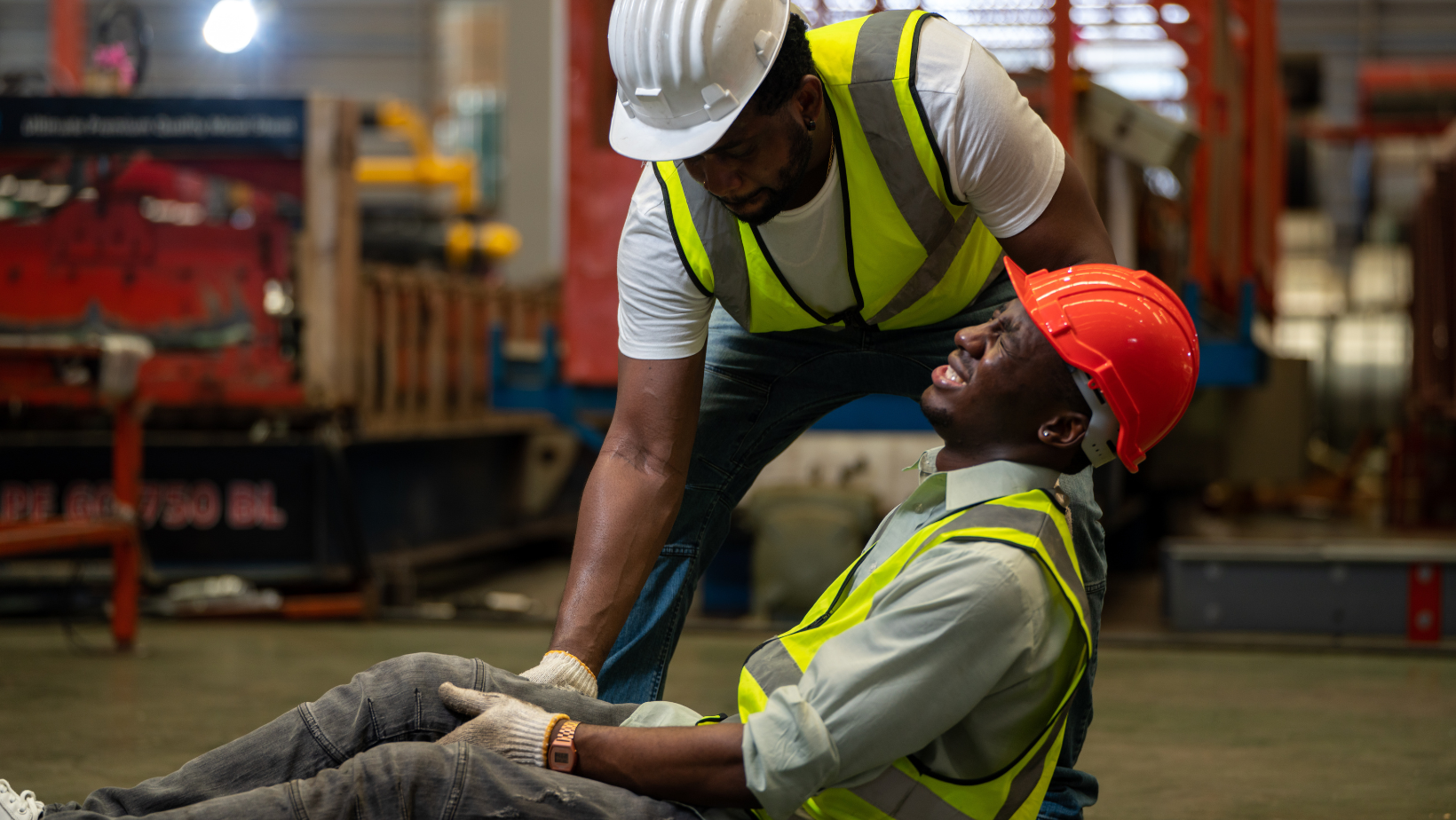
Routine health screenings for conditions such as hypertension, diabetes, and respiratory illness are a cornerstone of patient safety at work.
Sepsis and Infection Control: A Hidden Risk
World Sepsis Day (13 September) highlights another unseen but critical risk. Sepsis — the body’s extreme response to infection — is a leading cause of preventable death worldwide (World Sepsis Day).
In Namibia, untreated workplace infections (from minor wounds to respiratory illnesses) can escalate into sepsis if not detected early. Workers on remote sites often face delayed access to care, making vigilance even more critical.
Medixx’s workplace clinics and infection control protocols mitigate this risk by ensuring that infections are identified and treated promptly before they progress to life-threatening conditions.
Heart Health: The Silent Killer
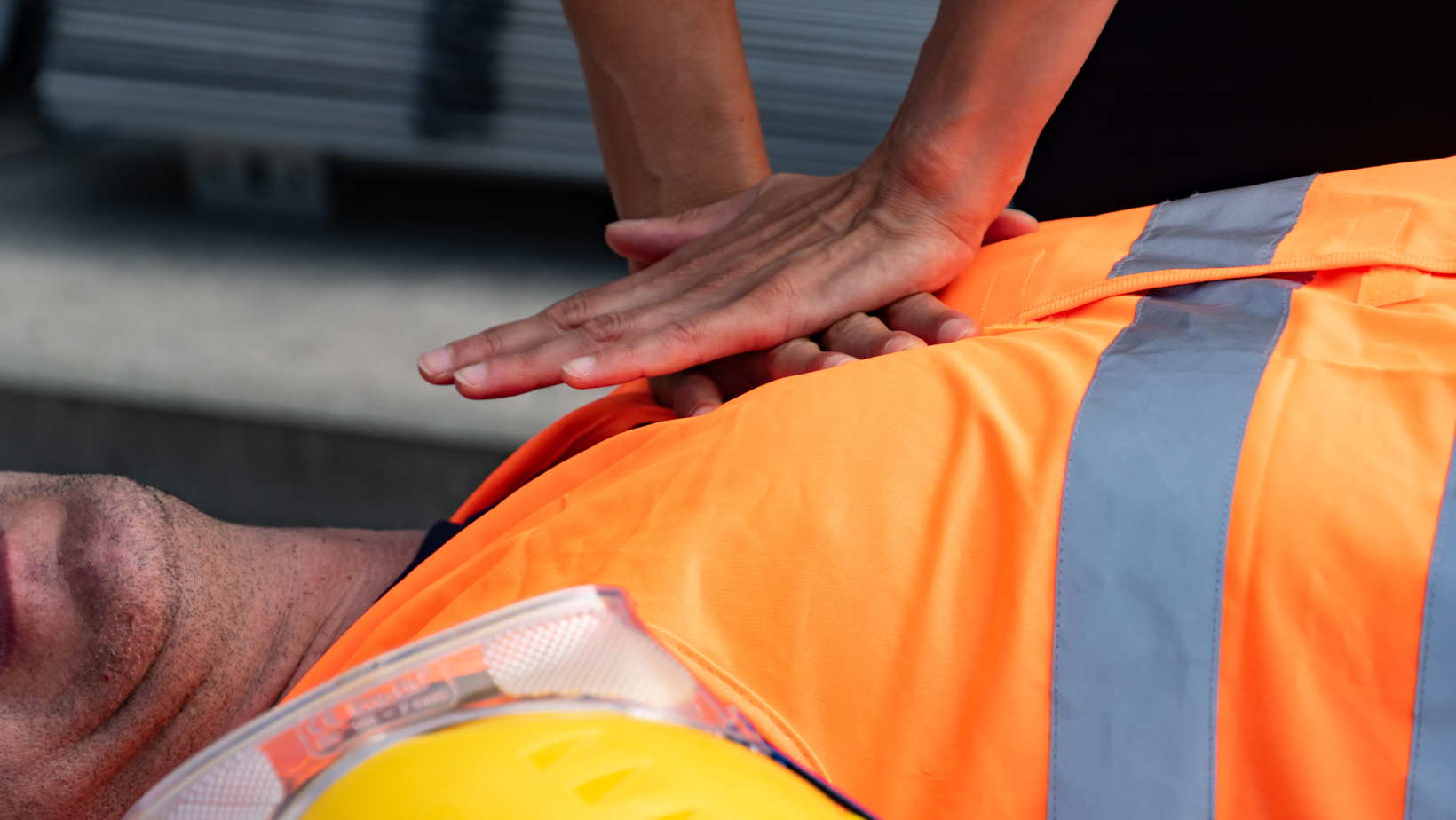
World Heart Day (29 September) draws attention to cardiovascular disease, the leading global cause of death according to the World Health Organisation.
Hypertension — often called the “silent killer” — frequently goes undiagnosed in Namibia due to limited routine screening, particularly for shift workers and rural crews. The consequences are severe: untreated high blood pressure increases the risk of sudden stroke, heart attack, or collapse on site.
Through cardiovascular screenings, Medixx helps employers detect these risks early, protecting both individuals and the teams who depend on them.
Mental Health and October’s Focus
While September highlights critical physical and clinical risks, resilience must also include mental well-being. This ties directly to October, as it is Mental Health Awareness Month, a time to focus on stress, fatigue, and emotional safety in the workplace.
Q4 is typically when stress levels in Namibia’s industries spike. Extended shifts, high production targets, and holiday pressures combine to create the perfect storm for mental strain. Without structured support, this leads to burnout, absenteeism, and in severe cases, crises such as substance misuse or suicide.
This article serves as a bridge into Medixx’s upcoming October feature on mental health at work in Namibia, where we will dive deeper into long-term strategies for psychological resilience.
Q4: Why Resilience Matters Now

Hidden risks and vulnerabilities peak as Namibia approaches the final quarter of the year (October–December).
- Fatigue builds: Extended shifts and the pressure to meet targets contribute to increased exhaustion.
- Absenteeism rises: Stress, illness, and seasonal infections lead to higher sick leave rates.
- Incidents increase: ILO data confirm that accident rates rise towards the end of the year, primarily due to fatigue and overexertion.
- Substance misuse spikes: Alcohol consumption typically increases around holiday periods, further straining workplace safety.
For employers, failing to embed resilience systems in Q4 means carrying avoidable medical costs, absenteeism, and productivity losses into the new year.
How Medixx Helps Redefine Resilience

Medixx Namibia offers customised occupational health services that transition from reaction to prevention.
Our resilience-building support includes:
- Trauma debriefing and crisis intervention after incidents
- Fatigue and stress monitoring to prevent lapses in concentration
- Cardiovascular and infection screenings to detect silent risks early
- Supervisor training to build awareness and response capacity
- Confidential counselling and referrals for mental health support
These services allow businesses to protect their workforce, maintain productivity, and finish the year stronger.
Final Thoughts: Prevention and Resilience Go Hand-in-Hand

Resilience in the workplace is not about “bouncing back” after crises. It is about embedding systems that protect mental, physical, and clinical health every day — especially in Namibia’s high-risk industries.
September’s focus on suicide prevention, sepsis, patient safety, and heart health shows how varied these risks are. October’s focus on mental health reminds us that resilience must also include the unseen psychological pressures workers face.
For a closer look at the risks that often go unnoticed, read our recent article on hidden workplace health risks in Namibia. Together, these articles highlight how prevention and resilience go hand-in-hand.
Employers who invest in resilience today reduce incidents, strengthen teams, and secure a safer, more productive tomorrow.
Contact Medixx Namibia to discuss how resilience-focused occupational health strategies can benefit your workforce.