
In mining and industrial environments, workforce health is not a secondary consideration. It is directly linked to operational performance, safety outcomes, and compliance requirements.
Employees are routinely exposed to physical strain, environmental conditions, and occupational hazards that may not present immediate symptoms. Without structured monitoring, these risks accumulate over time and only become visible once they begin to impact productivity, safety, or regulatory standing.
Occupational screening provides a structured, controlled method of identifying health risks early. When implemented as part of a broader occupational health system, it supports compliance, reduces operational risk, and contributes to long-term workforce stability.
Occupational Health Risks in Industrial Environments
Mining and industrial operations present a range of health risks that require consistent monitoring. These include:
• Respiratory exposure to dust and airborne particles
• Noise exposure leading to hearing loss
• Fatigue from physically demanding work
• Musculoskeletal strain
• Environmental factors such as heat and remote working conditions
These risks are often cumulative. Employees may continue working without visible symptoms while underlying health conditions develop gradually.
According to the World Health Organization (WHO), structured occupational health systems are essential in identifying and managing workplace risks before they escalate into long-term health concerns:
https://www.who.int
Without structured screening, organisations rely on reactive responses rather than preventative systems.
What Occupational Screening Involves
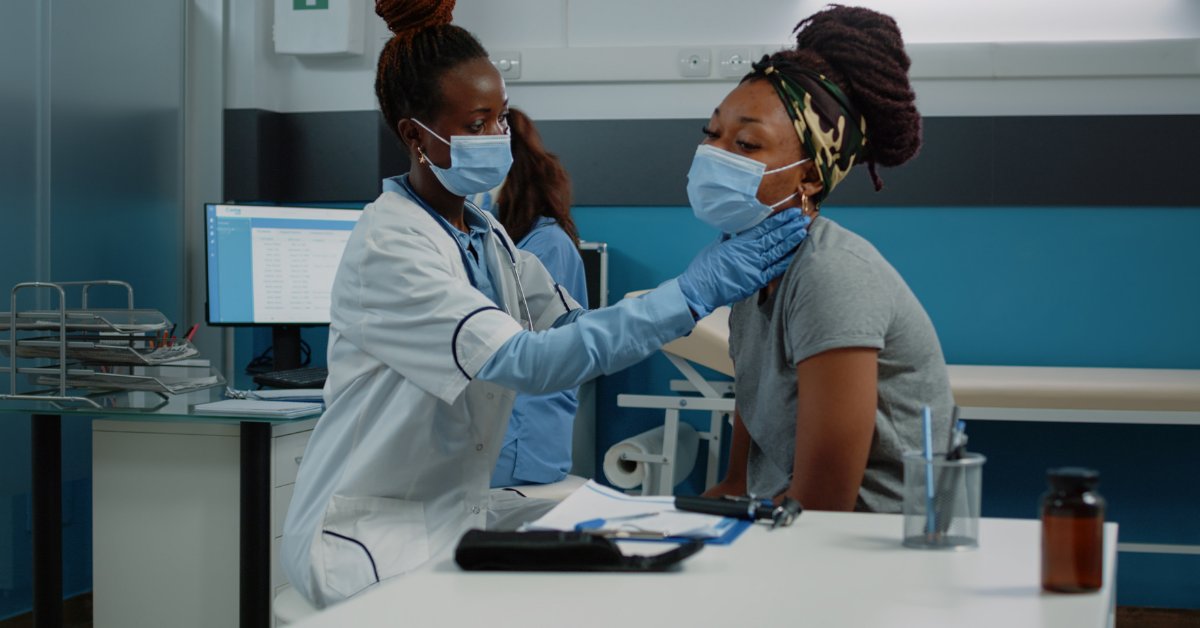
Occupational screening is a standardised process used to assess whether an employee is medically fit to perform their role safely and effectively.
This process typically includes:
• Baseline medical assessments
• Vision and hearing testing
• Lung function testing
• General physical evaluations
• Role-specific medical requirements
Each stage is conducted in a controlled clinical environment to ensure accuracy and consistency. The outcome is a documented assessment of an employee’s current health status in relation to their work requirements.
At Medixx, occupational screening forms part of a broader occupational health framework, linked to services such as:
• Occupational Health Services
• Medical Surveillance
• Fitness for Duty Assessments
This integration ensures that screening is not treated as an isolated activity, but as part of an ongoing system.
Compliance and Employer Responsibility

Employers operating in regulated environments are required to ensure that employees are medically fit for duty and that occupational health risks are properly managed.
Occupational screening supports this responsibility by:
• Providing documented medical records
• Supporting compliance with industry regulations
• Enabling audit readiness
• Creating accountability within HR and management structures
The International Labour Organization (ILO) emphasises the importance of occupational health systems in maintaining safe and compliant workplaces:
https://www.ilo.org
For HR and compliance teams, structured screening provides reliable, traceable data that supports decision-making and reporting.
Integration into Medical Surveillance
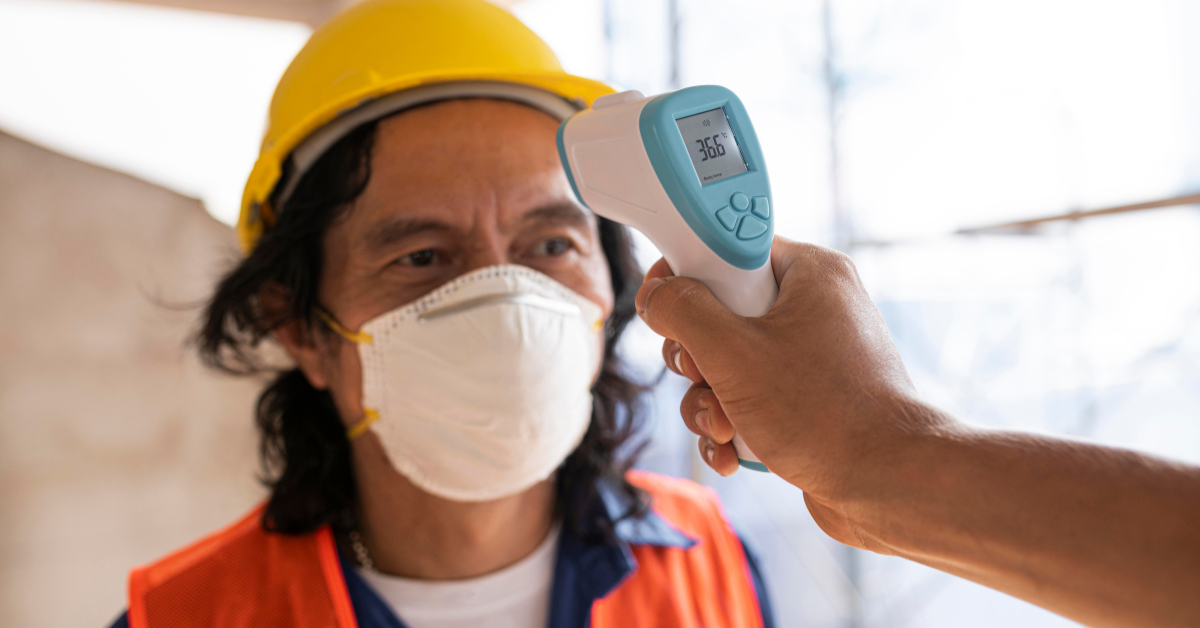
Occupational screening is most effective when it is integrated into an ongoing medical surveillance programme.
Medical surveillance involves:
• Regular follow-up assessments
• Continuous monitoring of employee health
• Data tracking over time
• Identification of trends across the workforce
This allows organisations to move beyond isolated assessments and build a clear picture of workforce health over time.
By linking screening to medical surveillance systems, organisations gain the ability to detect patterns, manage long-term risk, and maintain consistency in workforce health management.
Workforce Stability and Operational Continuity
A healthy workforce is a stable workforce.
Occupational screening contributes to:
• Reduced absenteeism
• Improved productivity
• Lower risk of workplace incidents
• Greater operational reliability
When workforce health is managed proactively, organisations are better positioned to maintain continuity, meet operational demands, and avoid disruptions.
Screening ensures that employees are not only fit for duty at a single point in time, but remain supported through ongoing monitoring and structured health systems.
Conclusion
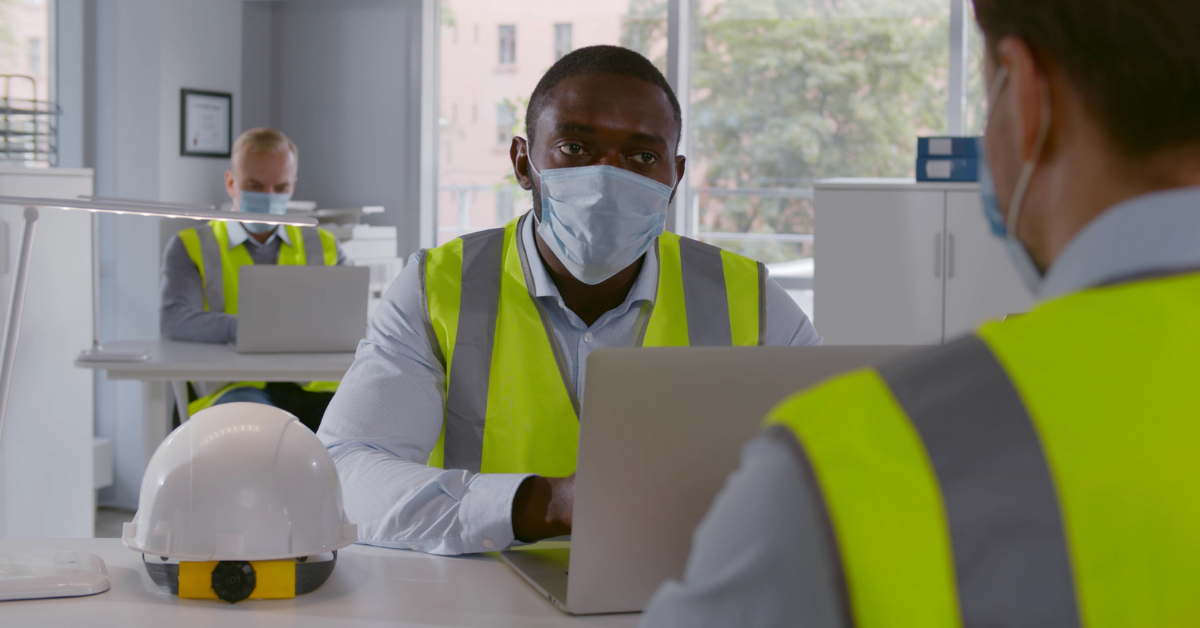
Occupational screening is not a once-off requirement. It is a structured, ongoing process that supports compliance, risk management, and workforce stability.
For organisations operating in high-risk environments, screening forms part of a broader occupational health system that enables early detection, supports regulatory compliance, and strengthens operational control.
When implemented correctly, occupational screening becomes more than a requirement. It becomes a critical component of responsible workforce management.