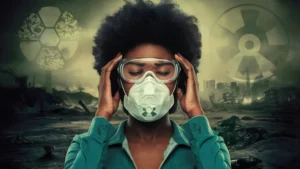
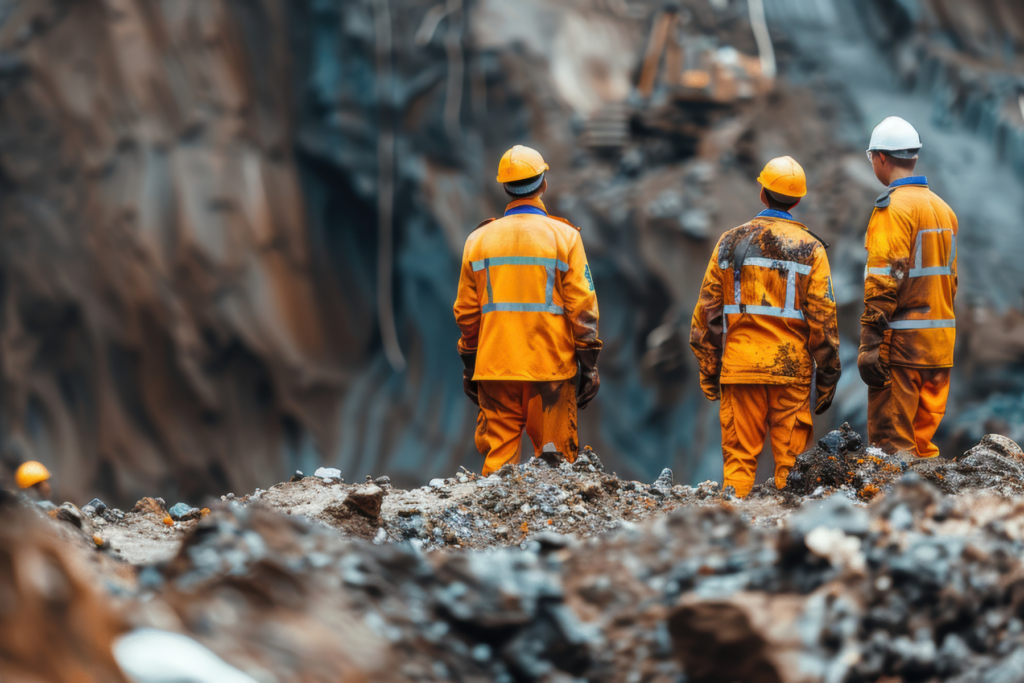
Tuberculosis remains one of the most persistent occupational health risks in Namibia’s mining sector.
Mining environments require structured occupational health systems to manage long-term risks. In a country where tuberculosis prevalence remains high, consistent health monitoring is essential within mining and industrial operations.
Tuberculosis (TB) remains one of the most relevant long-term health risks in mining environments, particularly where respiratory exposure and workforce density intersect.
Tuberculosis (TB) Risk in Mining Environments
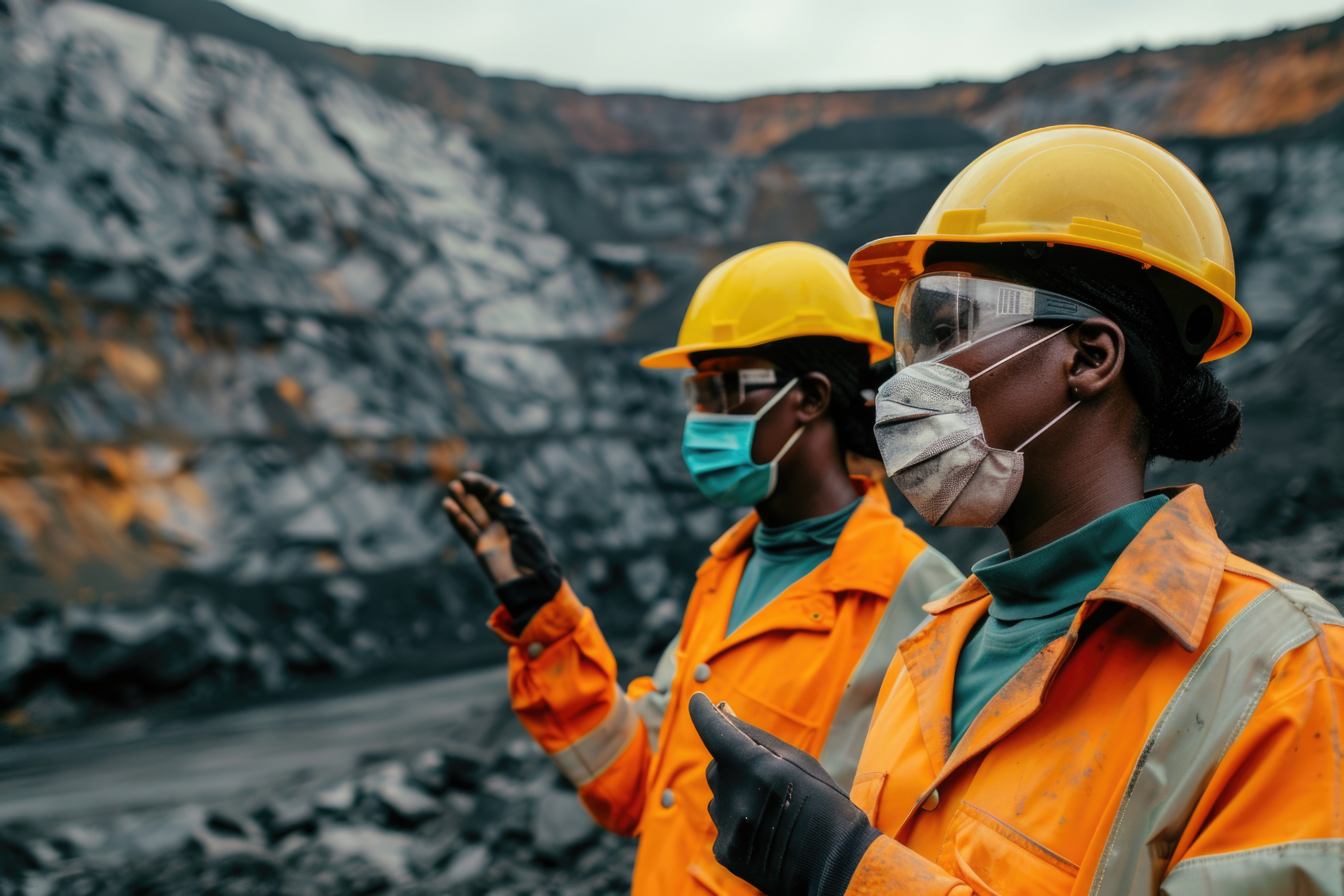
Mining operations create conditions where respiratory health must be actively managed.
Exposure to dust, confined working conditions, and extended time in operational environments all contribute to increased vulnerability to respiratory conditions. This is especially relevant for underground workers, where airborne particles and silica dust exposure can impact lung health over time, increasing vulnerability to conditions such as tuberculosis.
In high-exposure environments, TB is not incidental. It is a known occupational risk that requires active management.
Tuberculosis, while preventable and treatable when identified early, often develops gradually and may not present immediate symptoms.
This makes routine monitoring essential.
Occupational Screening Importance
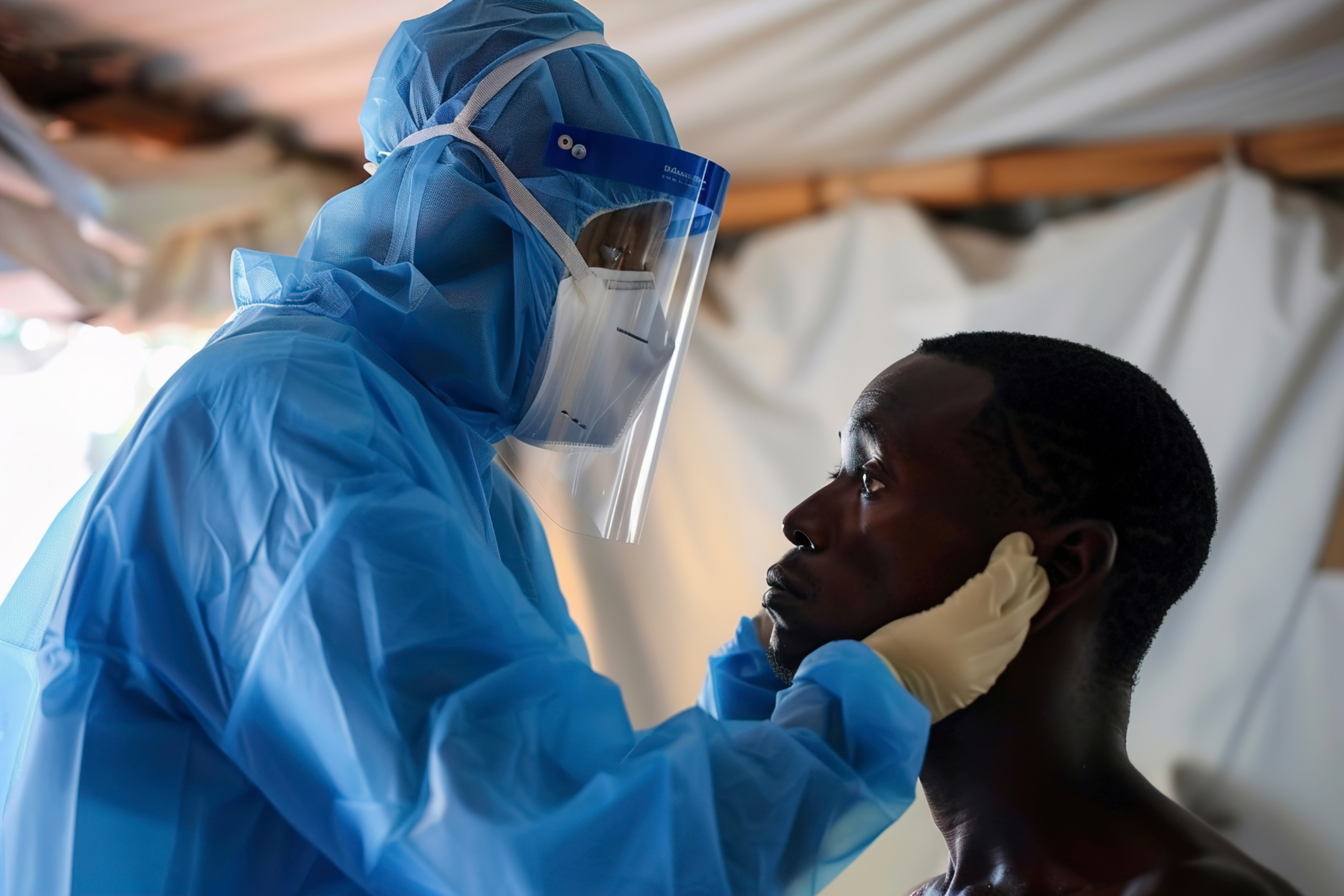
Occupational health screening is designed to identify potential risks before they develop into long-term health conditions.
Structured programmes typically include baseline medical assessments, periodic screenings, and exposure-aligned monitoring systems. These systems support early identification of respiratory conditions, including TB, before they affect workforce performance or operational continuity.
Through consistent medical surveillance programmes, organisations are able to monitor changes in employee health, identify emerging risks, and respond in a controlled and compliant manner.
In mining environments, screening is not a once-off activity. It is a continuous process that supports long-term workforce stability.
Role of HR and Compliance
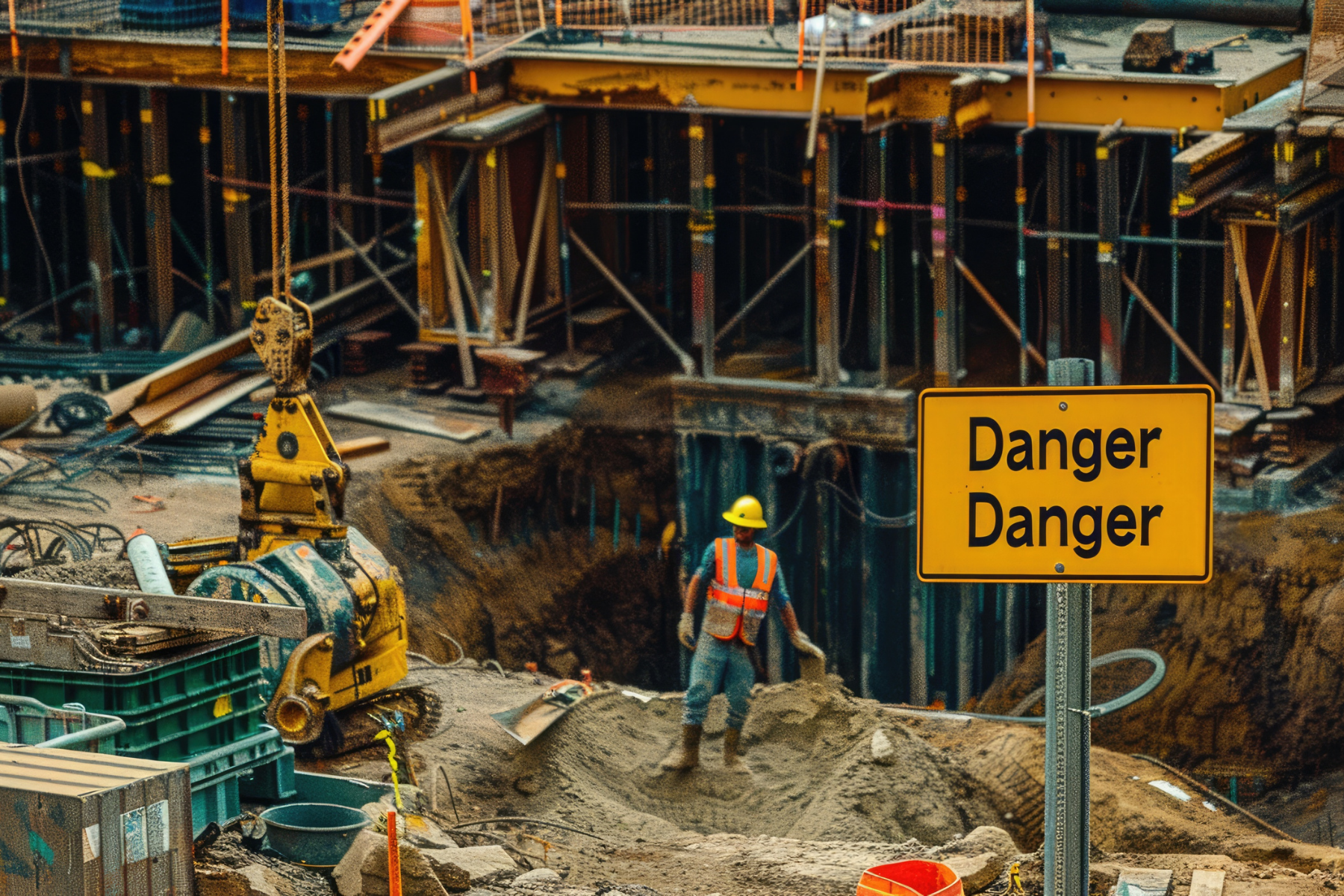
For HR managers and compliance teams, occupational health screening is a core responsibility.
It extends beyond scheduling medical assessments and requires structured coordination, accurate documentation, and alignment with operational realities on site.
Effective programmes support:
- Regulatory compliance and reporting requirements
• Audit readiness through well-maintained records
• Workforce health monitoring aligned with exposure risks
• Early intervention strategies
Consistent implementation of occupational health services ensures that screening programmes remain effective and aligned with workplace conditions.
Industry guidance from organisations such as the World Health Organization and the International Labour Organization (ILO) continues to emphasise the importance of preventative occupational health systems in managing long-term workforce risks.
Early Detection and Workforce Continuity
Early detection is one of the most important functions of occupational health screening.
Conditions such as tuberculosis develop over time. Without structured monitoring, they may only be identified once symptoms begin to affect performance or safety. At that stage, the impact on both the individual and the organisation is significantly greater.
Early identification allows for:
- Controlled intervention and treatment pathways
• Reduced risk of transmission in shared environments
• Continued workforce stability
• Lower long-term operational disruption
In high-risk industries, operational continuity is closely linked to how effectively workforce health is monitored and managed.
Where Medixx Supports Mining Employers
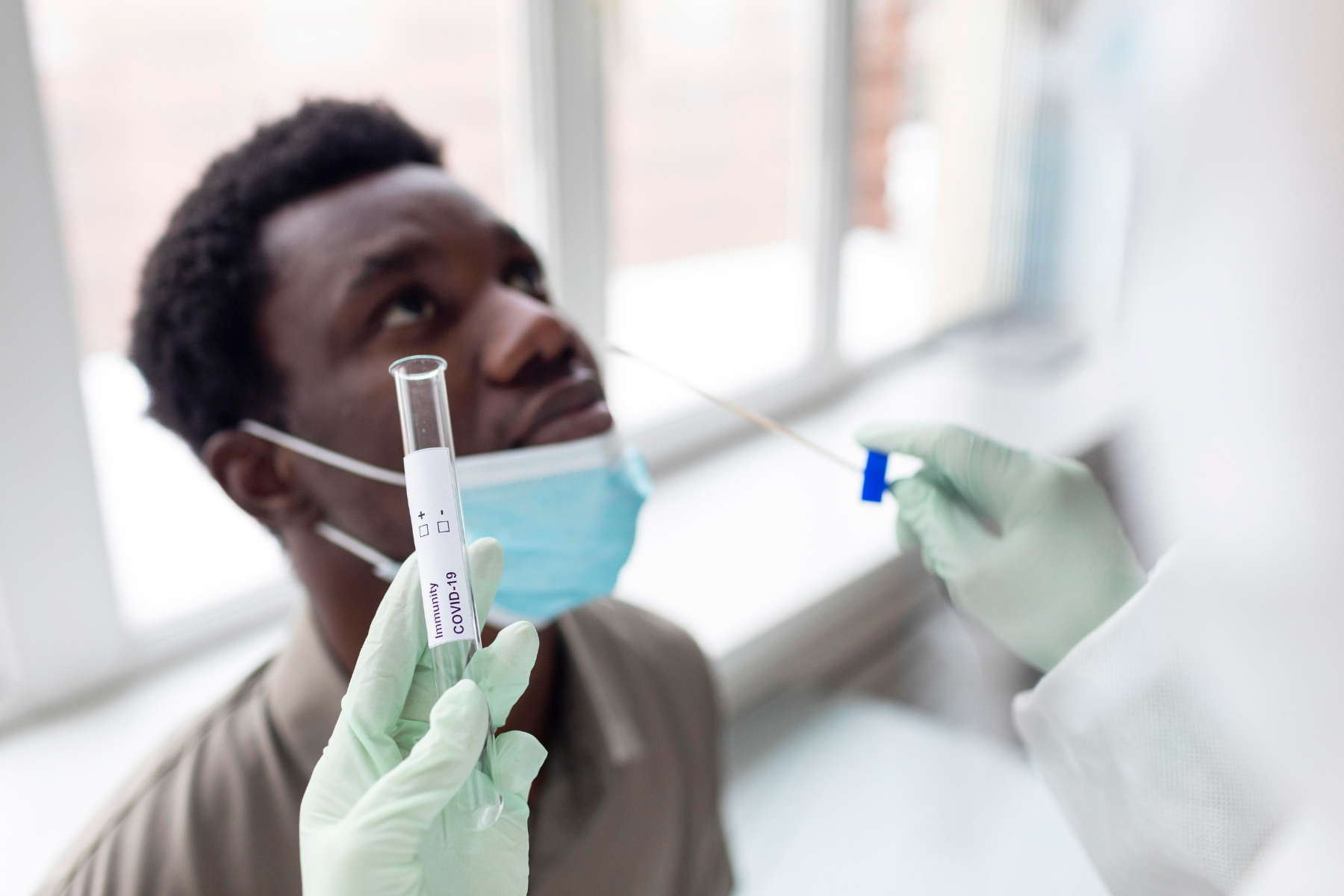
Medixx supports mining and industrial clients through structured occupational health systems designed to align with both regulatory requirements and operational needs.
This includes:
- Occupational health services tailored to site-specific risks
• Ongoing medical surveillance programmes
• Respiratory and TB screening
• Compliance-aligned reporting and record management
By maintaining consistent screening processes, Medixx assists organisations in identifying potential risks early and ensuring that workforce health monitoring remains structured and reliable.
Sustainable Occupational Monitoring
Occupational health in mining environments is not defined by isolated interventions. It is sustained through consistent systems.
Tuberculosis risk, particularly in high-exposure environments, reinforces the importance of maintaining structured monitoring processes. Early detection, consistent screening, and regulatory alignment remain essential for workforce stability.
For organisations reviewing occupational health systems and medical surveillance programmes, maintaining structured screening processes is critical for long-term operational performance.
In mining environments, unmanaged health risk is operational risk.
Further information on occupational health services and screening processes can be found here:
https://medixx.com.na/