
The Reality of Year-End Fatigue
As Namibia’s industrial calendar approaches year-end, the final quarter brings more than just deadlines and shutdowns. It brings fatigue.
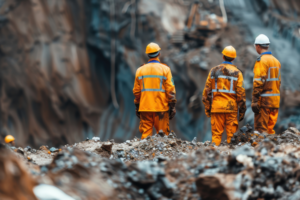
Across mining, logistics, offshore operations, and construction, exhaustion and burnout quietly escalate as employees push to meet production targets, complete maintenance work, and close projects before the festive season.
Fatigue is more than just tiredness. It is a state of physical and mental exhaustion that impairs concentration, slows reaction times, and reduces judgment, posing a direct threat to both safety and productivity.
This article continues Medixx Namibia’s occupational health series, following The Hidden Health Risks at Work in Namibia, The Crucial Role of Resilience in the Workplace, and Mental Health at Work in Namibia: Beyond Awareness to Real Support.
Here, the focus shifts from prevention and resilience to energy, recovery, and sustainable performance.
Why Fatigue Matters
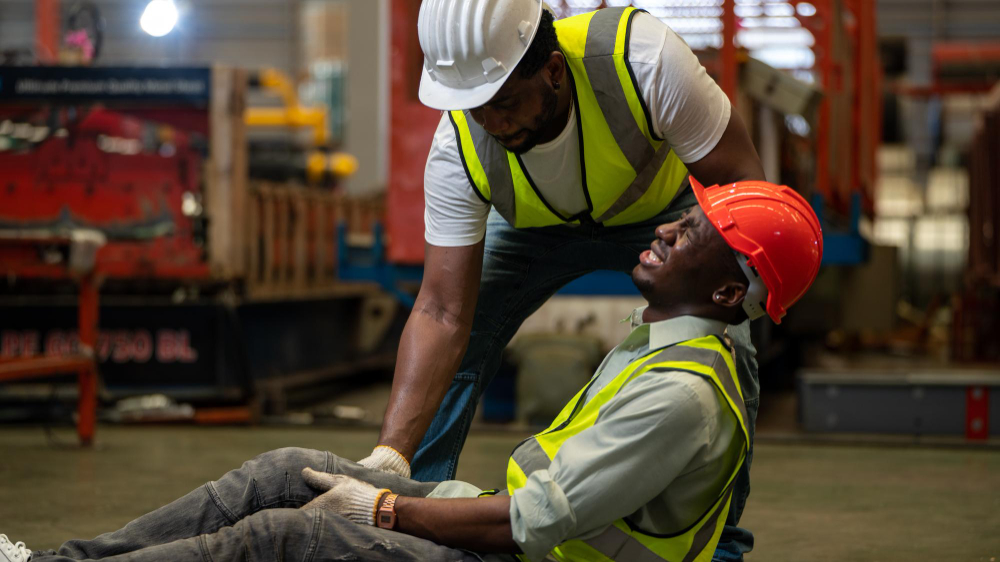
According to the International Labour Organisation (ILO), fatigue contributes to 13% of all workplace injuries globally and costs economies billions in productivity loss each year.
In industrial environments, even a minor lapse in attention can lead to serious incidents. This is particularly true when operating heavy machinery, driving long distances, or performing repetitive physical work.
In Namibia, long-distance logistics and shift-based mining operations are especially vulnerable. Drivers, machine operators, and technicians often work extended hours with limited rest, while exposure to heat and dehydration increases physical strain.
The World Health Organisation (WHO) now classifies fatigue and burnout as occupational phenomena, affecting not only individual health but also company-wide safety and morale.
The Cost of Fatigue and Burnout

Unchecked exhaustion doesn’t just increase the risk of accidents. It undermines the very foundation of workforce wellbeing.
- Reduced productivity: Sleep-deprived employees work more slowly and make more mistakes.
- Increased absenteeism: Chronic fatigue often leads to illness or mental exhaustion.
- Presenteeism: Workers may be physically present but perform below their full capacity, affecting quality and safety.
- Higher healthcare costs: Fatigue is linked to cardiovascular strain, hypertension, and immune suppression.
- Psychological toll: Long-term exhaustion often develops into anxiety, depression, or burnout.
The National Institute for Occupational Safety and Health (NIOSH) reports that fatigued workers are 70% more likely to be involved in accidents than well-rested colleagues. In Namibia’s high-risk industries, that translates to preventable injuries, downtime, and human loss.
Recognising the Signs of Burnout
Burnout develops gradually and often goes unnoticed until performance drops or accidents occur. Common early warning signs include:
- Difficulty concentrating or recalling information
- Irritability, low mood, or emotional detachment
- Persistent tiredness despite adequate sleep
- Headaches, muscle tension, or lowered immunity
- Apathy toward tasks or reduced engagement
Managers and safety officers should treat these as signals, not shortcomings. As emphasised in Medixx’s October article, Mental Health at Work in Namibia: Beyond Awareness to Real Support, addressing symptoms early protects both individuals and operational outcomes.
Why the Risk Peaks in Q4

Namibia’s final quarter (October–December) combines multiple physical and emotional pressures:
- Extended hours: Teams work longer to meet annual targets before shutdowns.
- Holiday expectations: Financial strain, travel, and family commitments add emotional weight.
- Heat and dehydration: Rising temperatures lower concentration and endurance.
- Substance misuse: Festive celebrations can increase alcohol and drug use, compounding risk.
Together, these factors make Q4 one of the most dangerous periods for preventable workplace incidents. Employers who plan proactively, by integrating fatigue risk management into daily operations, can protect both people and performance.
What Employers Can Do
Addressing burnout requires structured prevention, not one-off interventions. Practical, evidence-based actions include:
Monitor fatigue levels regularly.
Use screening tools and shift logs to identify patterns of exhaustion early.
Reassess shift structures.
Ensure work-rest ratios meet safety standards and allow adequate recovery.
Encourage hydration and nutrition.
Provide easy access to clean drinking water and balanced meal options.
Train supervisors.
Equip team leaders to recognise fatigue, stress, and early signs of burnout.
Integrate mental health support.
Connect fatigue monitoring with counselling services to address both physical and emotional health.
As outlined in The Crucial Role of Resilience in the Workplace, true resilience is not merely endurance. It’s the ability to recover and restore capacity.
How Medixx Namibia Supports Fatigue Management
Medixx Namibia partners with organisations across the country to design and implement fatigue and wellness management systems that detect, track, and address workforce exhaustion before it escalates.
Our support includes:
- Fatigue risk assessments using validated occupational health tools
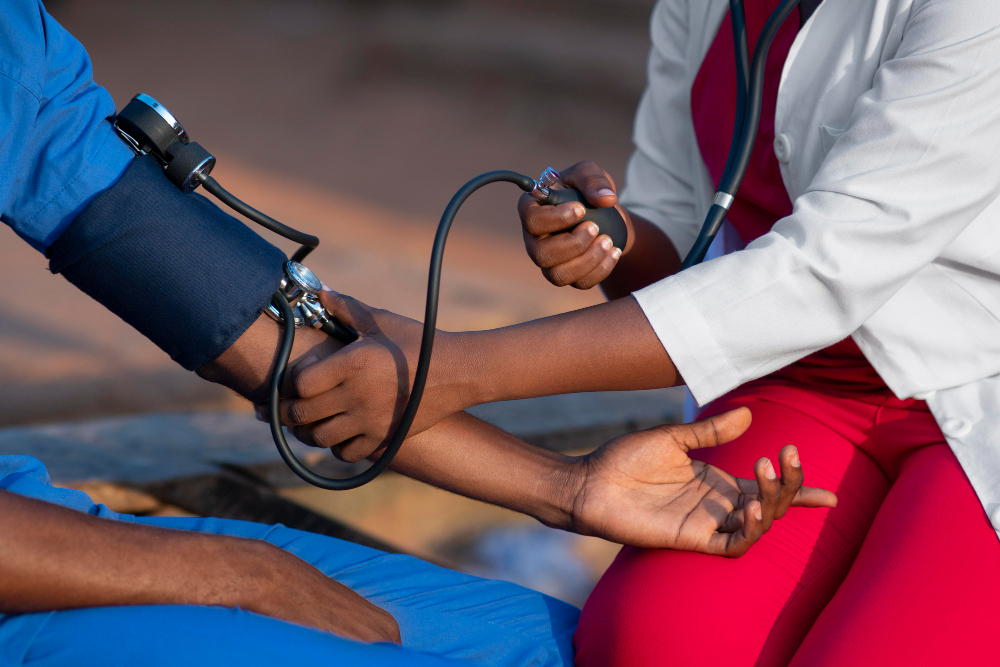
- Routine health screenings to monitor sleep, hydration, and vital signs
- Stress and burnout workshops tailored to high-risk industries
- Confidential counselling and trauma debriefing for affected employees
- Supervisor training on managing shift-based fatigue and emotional strain
Through these interventions, Medixx helps employers create healthier schedules, safer environments, and stronger team morale. Ensuring operations continue efficiently without compromising wellbeing.
Looking Ahead: Entering December with Care

As Namibia approaches year-end shutdowns and holiday periods, the focus should shift from output to recovery. December’s upcoming article will explore workplace wellness during recess and return-to-work cycles. Medixx continues their mission to integrate health into every phase of industrial operations.
Employers who take proactive steps now, set their teams up for a safer, healthier start to the new year.
Final Thoughts: Rest Is Resilience

Fatigue is not a weakness. It’s a warning. Recognising and addressing it early is key to protecting a company’s most valuable asset; its people.
As Namibia’s industries close another demanding year, the call for prevention and care grows stronger. Fatigue management is not about compliance; it’s about continuity.
Partner with Medixx Namibia to implement fatigue risk management systems. Medixx can assist in keeping your workforce healthy, focused, and safe year-round.