The Workplace is Full of Health Risks — But Not All Are Visible
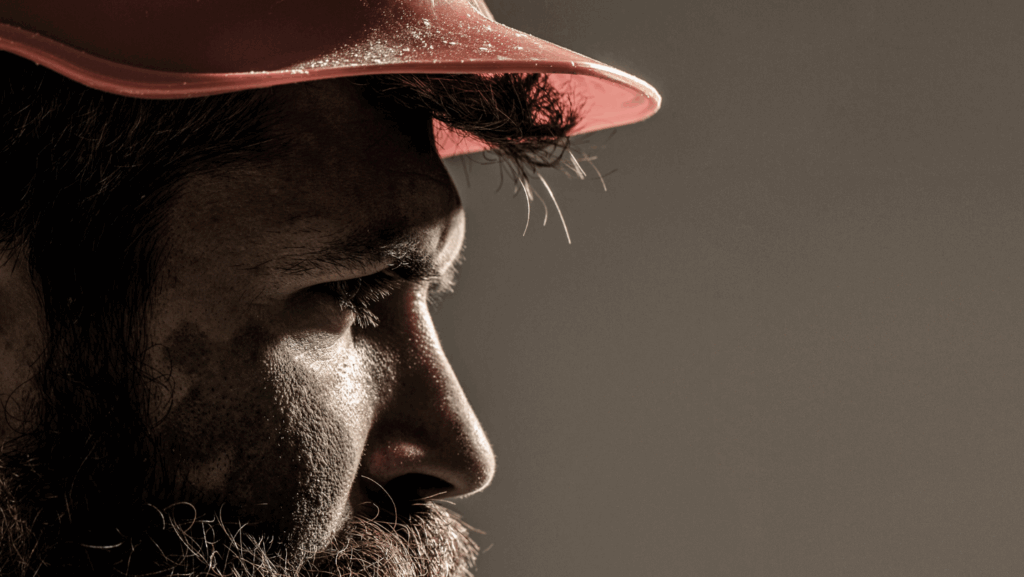
In Namibia’s high-risk industries — from mining and logistics to offshore operations and heavy construction — employers are acutely aware of visible dangers such as machinery, falls, or vehicle accidents. But the more persistent threats to productivity and safety are often less obvious: the health risks that build quietly, unchecked, until they result in absence, accidents, or long-term loss of capacity.
These “unseen” risks are more complex to track, but they are no less costly. They include environmental stressors, chronic health conditions, substance misuse, and family health pressures. Left unmanaged, they can reduce concentration, increase fatigue, and lead to higher accident rates.
As Namibia moves into the final quarter of the year, when industrial activity typically intensifies before shutdowns, these risks compound. Employers cannot afford to overlook them.
Winter and Environmental Risks
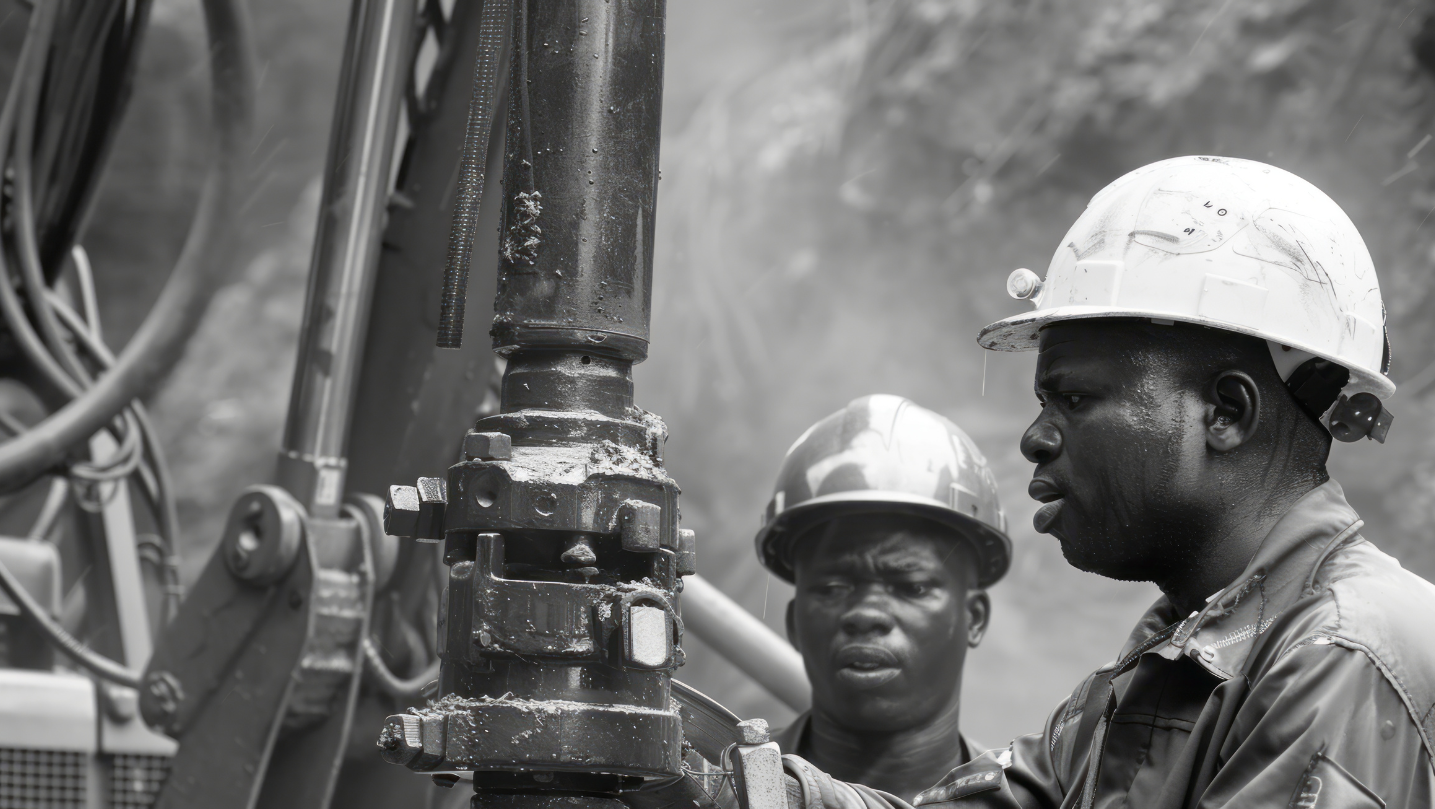
Namibia’s winter months bring dry, cold, and dusty conditions that directly affect worker health:
- Respiratory illness: The Ministry of Health reports a seasonal rise in respiratory infections during the colder months. Exposure to dry air and dust increases the risks for workers in mining and construction.
- Cold stress: Research indicates that even mild cold exposure can reduce muscle dexterity and reaction speed, thereby increasing the risk of accidents.
- Dehydration: A World Health Organization study highlights that cold environments suppress thirst, even while the body continues to lose fluids. Dehydration contributes to fatigue, headaches, and poor decision-making.
These factors do not make headline incidents but quietly reduce performance and increase operational risk.
Early detection is key to proactive management. Routine workplace screenings and fatigue monitoring, both core Medixx services, empower employers to detect these issues early, ensuring that dehydration, respiratory strain, or blood pressure spikes don’t translate into accidents.
Substance Misuse and Overdose

International Overdose Awareness Day (31 August) draws attention to another invisible workplace hazard: substance misuse.
Namibia is among the African countries with the highest per capita alcohol consumption, according to the World Health Organization. Alcohol misuse contributes to absenteeism, presenteeism (being at work but underperforming), and long-term health decline. The Ministry of Health has also raised concerns about increasing drug use in urban and industrial areas, particularly among younger workers.
The cost to the business is substantial. A Deloitte global study found that untreated substance misuse can reduce productivity by up to 30%. For Namibia’s industries, where downtime translates directly to operational losses, the financial and human risks are too significant to ignore.
Medixx’s confidential counselling and wellness programmes are not just about preventing tragedies. They also play a crucial role in reducing the stigma of substance misuse, creating safer coping mechanisms for workers under strain, and improving team stability and morale.
Maternal and Family Health
Hidden risks are not limited to men or frontline labourers. A lack of family-friendly policies can create health vulnerabilities for women and affect entire households.
World Breastfeeding Week (1–7 August) highlights the importance of supportive workplaces for new mothers. Without facilities, flexible scheduling, or understanding supervisors, women face higher risks of stress, fatigue, and health setbacks. For businesses, this translates into higher turnover and the loss of valuable skills.
The International Labour Organization notes that companies with family-friendly policies see measurable improvements in retention and productivity. Medixx supports employers in designing workplace wellness systems that incorporate maternal and family health considerations, thereby reducing the long-term costs associated with recruitment and training and ensuring a strong return on investment.
Resilience and National Pride

Namibia’s Heroes’ Day (26 August) is not only a time to honour those who built the nation but also a reminder that modern industries depend on resilient, healthy people. Strong teams are a national resource — but resilience is not automatic. It requires systems that detect strain early and support recovery before crises occur.
For employers, embedding resilience in workplace health is both a patriotic and a practical commitment.
Q4: Why These Risks Matter Now

Hidden health risks peak as Namibia approaches the fourth quarter (Q4, October–December). This is when:
- Fatigue builds: Extended shifts and the pressure to meet annual targets contribute to increased exhaustion.
- Absenteeism rises: Illnesses, stress, and seasonal infections lead to higher sick leave rates.
- Incidents increase: ILO data show that accident rates rise toward year-end in high-risk industries, primarily due to fatigue and overexertion.
- Substance misuse spikes: Holiday periods often bring increased alcohol consumption, affecting workplace safety in the weeks before and after shutdowns.
For Namibian employers, failing to manage these unseen risks in Q4 means carrying higher medical costs, insurance claims, and potential productivity losses into the new year.
Medixx helps companies prepare by providing structured year-round screenings, fatigue monitoring, and wellness workshops that keep risks visible before they become critical.
How Medixx Helps Identify and Reduce Hidden Risks
Medixx Namibia focuses on prevention and resilience, tailoring occupational health services to the realities of Namibia’s industries.
Our services include:
- Routine screenings for blood pressure, glucose, liver function, lung health, and vision
- Confidential counselling and referral pathways for stress, mental health, and substance misuse
- Wellness workshops on fatigue, stress management, and family health
- Fatigue and stress monitoring to reduce lapses in concentration or accidents
- Supervisor training to recognise early warning signs of strain in employees
These interventions are designed not only for emergencies but also to prevent them from occurring in the first place.
Final Thoughts: Prevention is Power

The hidden health risks at work — from cold stress and dehydration to substance misuse and family strain — may not appear in daily incident logs. However, they erode workforce health and performance over time, especially as Namibia enters its busiest season in Q4.
Employers who take prevention seriously experience fewer incidents, lower absenteeism rates, and stronger team resilience. As an employer, your commitment to creating a safe and healthy work environment is crucial in ensuring the well-being and productivity of your employees.
Medixx Namibia is committed to helping industries address these risks with structured, confidential, and practical support. By detecting problems early and embedding preventative systems, we protect not just employees but also the productivity and safety of Namibia’s leading industries. Our services not only ensure the health and safety of your workforce but also reduce medical costs, insurance claims, and potential productivity losses, thereby contributing to the overall success of your business.
Contact Medixx Namibia today to discuss how our preventative health strategies can benefit your workforce and your business. We look forward to partnering with you to create a safer and healthier work environment. For more information, please visit our Contact page.