The start of the first quarter of a new year often signals a return to routine after the festive season. In mining and industrial environments, this period can highlight gaps in personal health habits, delayed medical check-ups, or reduced physical conditioning.
However, in high-risk sectors, occupational health in mining Namibia is not simply a personal concern. It is directly linked to safety, productivity, and regulatory compliance.
Health accountability in mining environments extends beyond individual resolutions. It requires structured systems, early screening, and consistent workplace monitoring.
Post-Festive Disruptions and Workforce Readiness
The festive season often disrupts:
- Routine health checks
- Fitness levels
- Medical surveillance schedules
- Workplace screening appointments
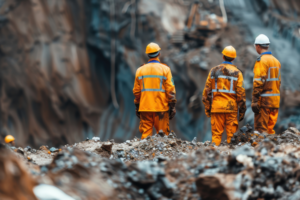
For employees returning to site, these gaps may seem minor. Yet in mining operations, where physical and cognitive performance directly impact safety, even small health concerns can affect overall operational risk.
Maintaining workforce readiness is not about judgement. It is about structured oversight and preventative care.
Occupational Health Accountability in Mining Environments

In regulated industries, accountability is shared.
Employees are responsible for maintaining their personal health. Employers and HR teams are responsible for ensuring systems are in place to monitor and support that health.
This includes:
- Fitness for duty assessments
- Mining medical surveillance programmes
- Drug and alcohol testing in mining environments
- Monitoring of dust, noise, and exposure-related risks
These measures are preventative safeguards, not enforcement mechanisms. They are designed to identify health risks early and protect both employees and operational stability.
For context on global occupational health frameworks, the World Health Organization outlines the importance of structured workplace health systems in high-risk industries:
https://www.who.int/health-topics/occupational-health
The Role of HR and Compliance Officers
Human Resources and safety teams play a critical role in maintaining workplace health compliance.
In mining environments, structured occupational health systems support:
- Regulatory compliance
- Audit readiness
- Reduced workplace incidents
- Long-term workforce sustainability
Without routine screening, gradual occupational health conditions may go undetected. Hearing loss, respiratory concerns related to dust exposure, and unmanaged chronic conditions often develop over time.
Early detection through medical surveillance reduces long-term impact and operational risk.
For further guidance on occupational safety frameworks, the International Labour Organization provides standards relevant to workplace health systems:
https://www.ilo.org/global/topics/safety-and-health-at-work
Why Early Screening Matters in Mining Operations
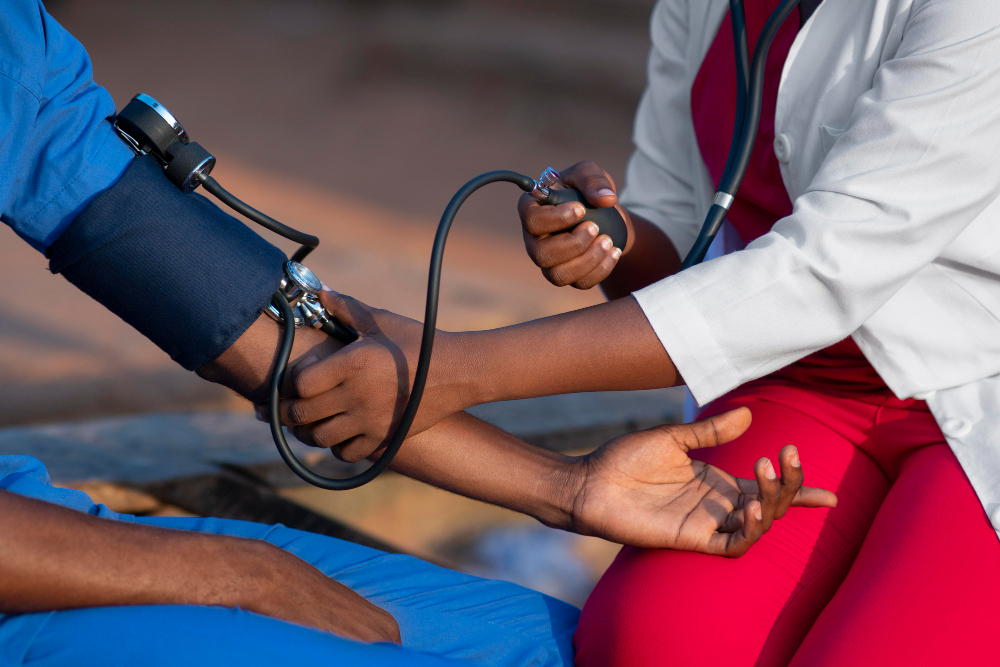
Many occupational health risks develop progressively rather than suddenly.
Early screening supports:
- Adjusted duties where appropriate
- Timely medical intervention
- Reduced safety incidents
- Improved productivity and workforce resilience
In this context, occupational health services in Namibia must function as structured, ongoing systems rather than reactive solutions.
Accountability is sustained through consistent monitoring, not seasonal resets.
Where Medixx Supports Mining and Industrial Employers
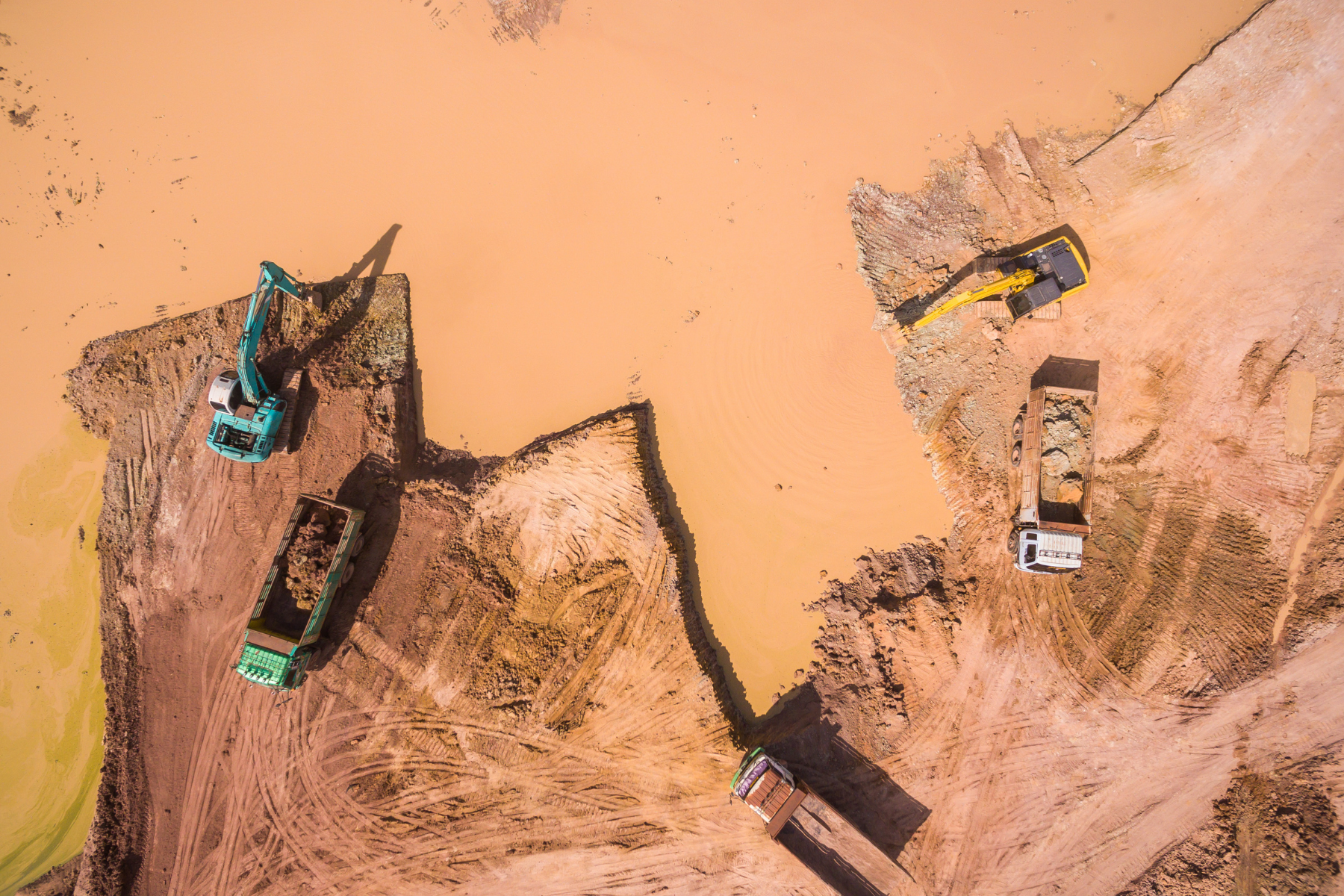
Medixx provides structured occupational health services aligned with mining and industrial sector requirements.
These services support:
- Fitness for duty assessments
- Ongoing medical surveillance
- Drug and alcohol screening
- Workplace health monitoring
Through consistent screening and compliance-aligned systems, occupational health providers assist employers in maintaining safer and more stable work environments.
Learn more about our occupational health services here:
https://medixx.com.na/services/
Sustainable Health Accountability Beyond February

The return from the festive season offers a practical opportunity to review workforce health processes. However, health accountability in mining environments must extend beyond the first quarter of the year.
Sustainable occupational health in mining Namibia depends on:
- Structured monitoring
- Employer and employee collaboration
- Early intervention systems
- Compliance-focused screening
In high-risk environments, health accountability is not an annual reset. It is an ongoing operational responsibility supported by proactive systems and professional oversight.