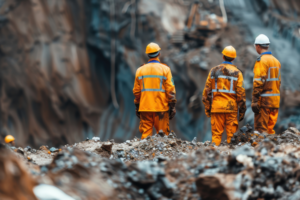

Workplace Health and Employee Well-being is more than simply a personal duty; it is essential to workplace safety, productivity, and operational success. Employees in industries such as mining, offshore operations, and construction operate in challenging conditions, thus preserving physical and mental health is critical for avoiding risks and ensuring long-term performance.
For Namibian businesses, particularly those in high-risk industries, occupational health is more than just compliance; it is a critical aspect in workforce sustainability. Organisations can create safer environments while supporting their employees’ overall well-being by prioritising preventative health screenings, stress management, and workplace wellness programs.
This article maps out how wellness and safety intersect in the workplace, the impact of occupational health programs, and why wellbeing as a strategic investment is critical.
The Link Between Employee Well-Being and Workplace Safety

Fatigue, stress, and untreated health issues are common causes of workplace injuries and illnesses. Employees who are overworked, sick, or dealing with high stress levels are more likely to make significant errors. Studies suggest fatigue-related incidents contribute to up to 13% of workplace injuries worldwide.
By promoting employee well-being, businesses can improve:
- Decision-making – Workers in good health are more focused and responsive.
- Workplace engagement – Employees who feel valued are more likely to adhere to safety protocols.
- Productivity and performance – Healthy employees take fewer sick days and remain engaged.
How Fatigue, Stress, and Poor Health Raise Workplace Risks
- Fatigue and Reaction Time: Workers in high-risk environments, such as mining and offshore sectors, require quick reflexes and clear judgment. Chronic fatigue slows reaction times, making accidents more likely.
- Mental Health and Safety Awareness: Workplace stress has been linked to increased accident rates. Employees struggling with anxiety or mental exhaustion are more likely to experience burnout and lapses in safety awareness.
- Undiagnosed Health Conditions: Conditions like hypertension, respiratory issues, and hearing loss can lead to sudden health complications in physically demanding roles, posing risks to both the employee and their team.
The Namibian Workplace Health Landscape: Occupational Health Risks and Challenges

Namibia’s economy relies heavily on labour-intensive industries, particularly mining, agriculture, construction, and fisheries. Employees in these sectors face unique occupational health risks, including:
- High rates of tuberculosis (TB) – Mineworkers in Namibia are 10 times more likely to contract TB compared to the general population due to exposure to confined working conditions.
- Hearing loss from workplace noise exposure – Prolonged exposure to industrial noise levels can lead to permanent hearing damage without proper protection.
- Respiratory conditions linked to dust exposure- Without proper air quality management, mining, construction, and agriculture workers face increased lung disease risks.
- Mental health strain in high-risk environments – Long shifts, high-pressure tasks, and remote work locations contribute to stress-related health issues.
These challenges highlight the importance of proactive workplace health initiatives, ensuring employees are protected, monitored, and supported.
Workplace Health Programs: A Key to Prevention

Regular health screenings, risk assessments, and workplace wellness programs allow businesses to:
✔ Detect health conditions before they become critical.
✔ Reduce workplace injuries and illness-related absenteeism.
✔ Promote mental and physical resilience among employees.
By taking a preventative approach to occupational health, businesses can safeguard their employees while improving long-term operational efficiency.
Employee Wellness as a Business Investment

Investing in workplace wellness programs goes beyond compliance – it improves workforce retention, enhances safety, and boosts overall productivity.
- Reduced Sick Leave and Absenteeism: Employees with access to regular screenings and preventive care take fewer unplanned leave days.
- Stronger Workplace Culture: Focusing on mental and physical well-being fosters a healthier work environment where employees feel valued and motivated.
- Higher Employee Retention: Businesses prioritising well-being and safety attract and retain skilled workers, reducing turnover rates.
By implementing comprehensive workplace health initiatives, companies protect their employees and strengthen their long-term success.
Shaping the Future of Workplace Health in Namibia
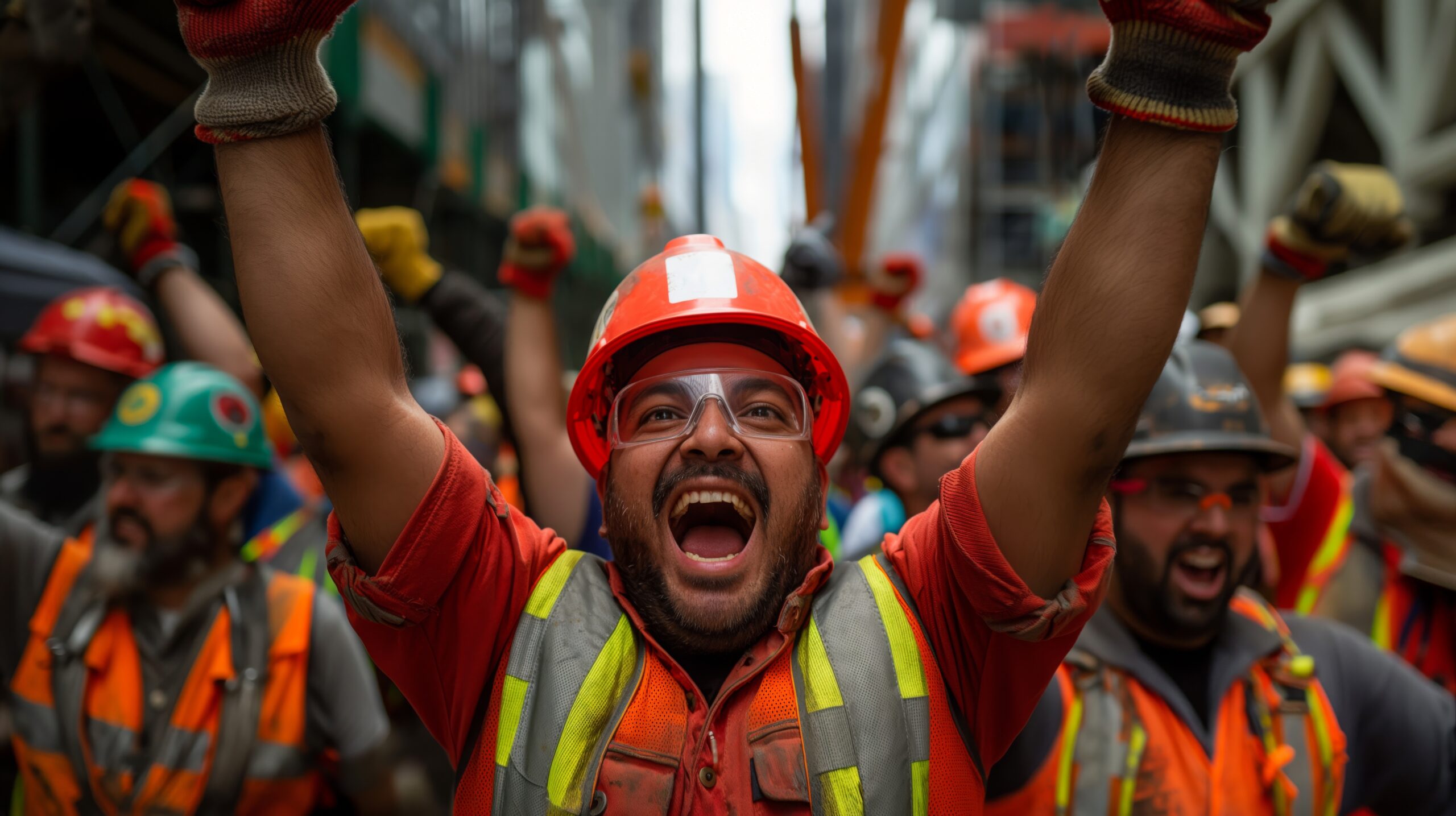
As Namibia’s industries grow, the role of occupational health and employee wellness continues to evolve. Businesses are increasingly integrating wellness strategies to reduce risks, promote employee satisfaction, and meet industry health and safety regulations.
Focusing on preventive health care, mental health support, and safety-conscious work environments will shape the future of occupational health in Namibia. Businesses can create a healthier, safer, and more productive workforce through collaboration, proactive screening, and continuous education.
To ensure long-term employee well-being, businesses must explore workplace health screening options and risk assessments. For more information on occupational health services and wellness programs, click here.