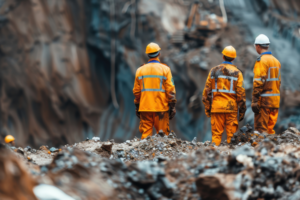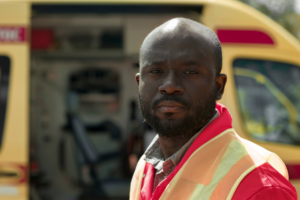

Namibia’s toughest industries demand resilience—long shifts, remote sites, high stakes. But behind the grit and grind is a silent epidemic taking its toll: men’s mental health.
It’s not just stress; it’s burnout, isolation, and emotional fatigue going unnoticed and untreated. In a culture where toughness is worn like armour, too many men are suffering in silence, and the cost to individuals, companies, and communities is mounting. It’s time to confront the crisis head-on and start talking.
Men’s Health Month: More Than Physical Check-Ups
June marks Men’s Health Month, a timely reminder to prioritise the wellbeing of Namibia’s male workforce—but mental health remains one of the most overlooked aspects. While physical screenings and fitness campaigns are encouraged, the emotional and psychological toll men face at work is often ignored, hidden, or dismissed.
In sectors like mining, logistics, offshore operations, and heavy construction—where men make up the majority—the barriers to mental health support are deeply entrenched, and the cost of inaction is rising.
The Numbers We Cannot Ignore

- Men account for more than 80 % of suicide deaths recorded by the Namibian police. Between January and mid-May 2024, there were 151 reported suicides — 123 were men. – Source: Namibian Sun
- In the 2023/24 financial year, Namibia saw 449 male suicides, over five times the number of women.
- The World Health Organisation estimates Namibia’s suicide rate at roughly 9 per 100,000 people, with figures increasing annually since 2020. – Source: WHO Data
- Local news reports and research link work-related stress to worsening mental health across industrial and rural regions.
These numbers indicate a crisis that affects not only individuals but also entire teams, families, and communities. However, it’s a crisis that can be prevented with the proper support and strategies in place.
Why Men Stay Silent
- The cultural stigma around emotional vulnerability
- Fear of job loss or being seen as “weak”
- Remote work postings with no access to psychological services
- A lack of mental health literacy in many industries
- Untrained supervisors who miss early warning signs
Silence is often a matter of survival, until it becomes dangerous.
Workplace Consequences of Ignoring Mental Health
- Fatigue-related accidents and safety breaches
- Absenteeism and extended sick leave
- Presenteeism, where employees show up but underperform
- Higher staff turnover and strained team dynamics
- Long-term disability claims and reputational damage for the employer
When psychological strain goes unrecognised, the operational and human costs are inevitable.

What Employers Can Do
Creating a safer, more supportive environment for men doesn’t require dramatic change, just consistent, well-structured steps:
- Offer confidential mental health screening as part of routine workplace health checks
- Provide onsite or virtual access to counselling, especially for shift-based or remote crews
- Train supervisors to identify early signs of emotional strain and respond appropriately
- Promote peer-led awareness sessions to reduce stigma and create safe dialogue spaces
- Integrate fatigue-risk management into operations, linking physical exhaustion to mental health
- Communicate openly that seeking support does not jeopardise employment or reputation
Normalising help-seeking is not just a step; it’s a leap in transforming workplace culture and ensuring the mental wellbeing of the male workforce.
How Medixx Namibia Supports Men’s Mental Health
Medixx Namibia works across Namibia’s most demanding industries to provide real, practical support for male-dominated teams. Our approach is structured, confidential, and tailored to the demands of remote, high-pressure environments.
Our services include:
- Confidential counselling, available onsite or through secure digital channels.
- Fatigue and stress screening using validated tools and data-informed reporting.
- Trauma debriefing and crisis intervention following incidents or critical events.
- Supervisor training modules to build mental-health awareness and response skills.
- Peer-led wellness workshops designed for operational staff and site crews.
Medixx partners with employers to implement systems that not only respond to emergencies but also prevent them. Explore our services to learn more.
Immediate Support: Real Helplines to Share Widely

If you or someone in your workforce needs urgent support, the following helplines are free and confidential:
- LifeLine/ChildLine Namibia – Call 106 (adults) or 116 (children) 24/7, or visit https://www.lifelinechildline.org.na/
- LifeLine Windhoek (landline) – +264 61 226 889
- Ministry of Health Mental-Health Desk – +264 61 203 2478 (office hours)
- Police Emergency Services – Dial 10111 in case of immediate danger
These numbers should be prominently displayed in staff rooms, on pay slips, safety boards, and induction packs.
Final Word: Support Is Strength
In high-risk industries, physical toughness is celebrated. But the strongest teams are those where every worker feels supported, mentally and emotionally. Addressing men’s mental health at work in Namibia is not a luxury or a trend. It’s a core element of productivity, safety, and long-term sustainability. With the right tools and systems, employers can break the silence, reduce stigma, and protect the people who carry the weight of critical operations.
Want to start now? Take the first step towards a mentally healthy workplace. Contact Medixx Namibia for a confidential consultation and workplace mental health support strategy.